
Sentiotrade long term investing
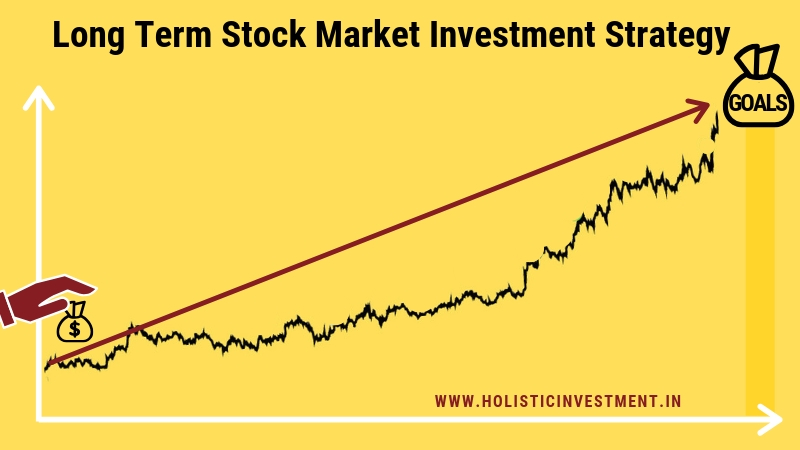
Investors should prioritize a diversified portfolio to maximize long-term returns. By spreading investments across various asset classes like stocks, bonds, and real estate, you mitigate risks while tapping into different market opportunities.
Utilizing Sentiotrade’s analytical tools can enhance decision-making significantly. The platform’s robust data analytics enables you to identify trends and patterns in historical performance, guiding you towards stocks that show consistent growth over time. Regularly assess these insights to refine your strategies and adapt to market shifts.
Adopting a disciplined approach to rebalancing your portfolio is equally important. Set predetermined intervals, such as quarterly or bi-annually, to review your asset allocation. This practice aligns your investments with your goals while capturing gains from outperforming sectors and reinvesting in undervalued assets.
Incorporating a long-term mindset while avoiding panic during market fluctuations proves beneficial. Focus on the fundamentals of the companies you invest in rather than short-term price movements. This attitude fosters resilience and positions you for potential gains as the market stabilizes.
Analyzing Market Trends for Sustainable Growth
Focus on sector performance to gauge potential investment opportunities. Examine financial reports, industry news, and expert analyses to identify sectors showing consistent growth, such as technology, renewable energy, or healthcare.
Utilizing Data Analytics
Leverage data analytics tools to track real-time market movements, consumer behavior, and emerging trends. Use platforms equipped with advanced algorithms that filter and present relevant data, enabling quicker decision-making. Correlate data with macroeconomic indicators to forecast long-term viability.
Monitoring Economic Indicators
Pay attention to key economic indicators such as GDP growth rates, inflation, and unemployment figures. These metrics provide insights into market stability and consumer spending power. Align investment strategies with economic forecasts to capitalize on growth periods and mitigate risks during downturns.
Establish a diversified portfolio that accommodates fluctuations in various industries. Balance high-risk investments with stable assets to achieve sustainable growth while managing overall risk effectively. Review and adjust your strategy according to quarterly market assessments.
Building a Diversified Portfolio with Sentiotrade Tools
Assess your investment goals and risk tolerance before utilizing Sentiotrade tools for diversification. Start by selecting a mix of asset classes–stocks, bonds, and alternatives–to balance risk and return. Sentiotrade’s platform provides a range of analytical tools that help identify strong, undervalued stocks and promising sectors.
Utilize Sentiotrade’s Screening Tools
Use Sentiotrade’s screening tools to filter stocks based on performance metrics, market capitalization, and sector classification. This allows you to construct a well-rounded portfolio. Consider allocating funds in a 60-40 stock to bond ratio for a balanced risk profile. Adjust this ratio based on your personal risk assessment and market conditions.
Regularly Review and Rebalance
Monitor your portfolio’s performance using Sentiotrade’s analytics dashboards. Analyze sector allocations and ensure they align with your investment strategy. Rebalance your portfolio at least annually to maintain your desired asset allocation. This can help optimize returns while managing risk over time.
For a more structured approach, leverage the insights from Sentiotrade’s educational resources, which guide you in creating a resilient portfolio. Implementing these strategies will help you navigate market fluctuations with confidence. For further details, visit sentiotrade.
Measuring Performance and Adjusting Strategies Over Time
Track your investment performance using specific metrics like return on investment (ROI), annualized returns, and volatility. Analyze these metrics quarterly to gauge how well your portfolio aligns with your long-term goals.
Utilize tools such as spreadsheets or investment software to compile and visualize your data. Compare your results against relevant benchmarks like the S&P 500 or sector-specific indices. This comparison highlights areas where your strategies succeed or fall short.
- Set clear benchmarks: Define expectations based on historical performance for similar investments.
- Monitor economic indicators: Pay attention to interest rates, inflation, and unemployment rates that can impact your investments.
- Adjust your asset allocation: Rebalance your portfolio periodically to maintain your desired risk level and exposure to asset classes.
- Review underlying fundamentals: Regularly assess the financial health of the companies in your portfolio, looking for changes in earnings, debt, and growth potential.
Consider implementing a systematic review process. Schedule meetings to analyze performance data and discuss potential strategy adjustments with your investment team or advisors.
During these reviews, identify any underperforming assets. Consider whether they still align with your long-term objectives. Sometimes, cutting losses is necessary to free up capital for better opportunities.
- Assess the current market conditions.
- Evaluate the performance of both your entire portfolio and individual investments.
- Decide on any necessary adjustments.
- Implement changes, documenting your rationale.
Finally, keep a journal of your investment decisions and the mindset behind them. This reflective practice helps refine your strategy over time, ensuring it adapts to changing market circumstances while remaining aligned with your investment philosophy.
Video:
Mastering Crypto Market Timeframe Analysis: Strategies for All Traders
Mastering Crypto Market Timeframe Analysis: Strategies for All Traders 22 minutes